
"Central American countries"
2000 article(s) found
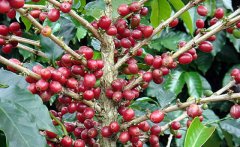
South African coffee is fragrant with less acidity, reminiscent of Central American coffee beans
It is fragrant with less acidity, reminiscent of coffee beans from Central America. Coffee production in South Africa (SouthAfrica) is mainly in the northeast of the country, from Natal between Transvaal and Mozambique, extending northward to Transvaal, with a southernmost limit of latitude 30 south. Further south, coffee cannot be grown due to the harm of early frost.
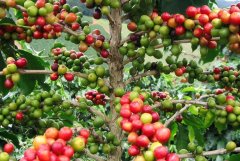
South African coffee is fragrant with less acidity, reminiscent of Central American coffee beans
It is fragrant with less acidity, reminiscent of coffee beans from Central America. Coffee production in South Africa (SouthAfrica) is mainly in the northeast of the country, from Natal between Transvaal and Mozambique, extending northward to Transvaal, with a southernmost limit of latitude 30 south. Further south, coffee cannot be grown due to the harm of early frost.
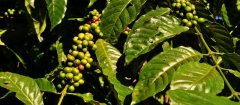
South Africa is fragrant with less acidity, reminiscent of Central American coffee beans
It is fragrant with less acidity, reminiscent of coffee beans from Central America. Coffee production in South Africa (SouthAfrica) is mainly in the northeast of the country, from Natal between Transvaal and Mozambique, extending northward to Transvaal, with a southernmost limit of latitude 30 south. Further south, coffee cannot be grown due to the harm of early frost.
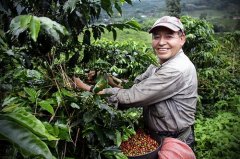
The taste is fragrant with less acidity, reminiscent of the South African flavor of Central American coffee beans.
It is fragrant with less acidity, reminiscent of coffee beans from Central America. Coffee production in South Africa (SouthAfrica) is mainly in the northeast of the country, from Natal between Transvaal and Mozambique, extending northward to Transvaal, with a southernmost limit of latitude 30 south. Further south, coffee cannot be grown due to the harm of early frost.

Boutique single coffee beans Central American Nicaraguan coffee beans
Nicaragua is located in central Central America, bordered by the Pacific Ocean to the west and the Caribbean Sea to the east. The highlands in the north and the coastal plains in the east are part of the Central American volcanic belt. The eastern plain is high-temperature and rainy, with a tropical maritime climate. The suitable climate provides an excellent growth environment for the cultivation of coffee. (Pakamara, Nicaragua on the left, Guatemala on the right) High-quality Niagara
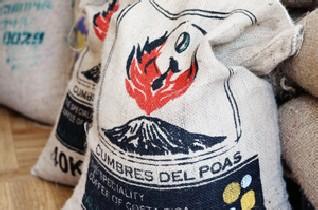
Central American coffee producing country Costa Rica Central Valley Fire Phoenix Manor Red honey processing SHB grade coffee
Located in the fertile hills of the Poas Volcanic Valley in Central Costa Rica, the Phoenix Estate is the first producer of honey-treated and sun-cured coffee in Central and South America. It is a 100% organic coffee estate. The owner believes that organic farming is the better choice for environmental protection and family health, even if it faces many technical and organizational challenges.

Do you know what Latin American coffee is expensive in Latin American coffee producing areas?
Professional coffee knowledge exchange more coffee bean information please follow the coffee workshop (Wechat official account cafe_style) Latin American coffee beans are a land bridge connecting North and South America, a total of seven countries, namely Belize, Costa Rica, El Salvador, Guatemala, Honduras, Nicaragua and Panama. Coffee is produced in seven Central American countries, including Guatemala and Costa Rica.

Introduction to Central American boutique coffee what is the flavor of coffee in the Caribbean?
Have you ever heard of a coffee belt? The so-called coffee belt refers to the area near the equator between the Tropic of Cancer and the Tropic of Cancer. This region is close to the equator and the innate climatic conditions are ideal, so most of the coffee producing areas in the world are in the "coffee belt". According to the world map, seven countries in Central America are in the coffee belt, including Belize, Guatemala, Honduras and Thrall.

What are the characteristics of Latin American coffee? How can Latin American coffee taste good?
Professional coffee knowledge exchange more coffee bean information Please pay attention to coffee workshop (Wechat official account cafe_style) Coffee growth conditions due to the main geographical factors: latitude, temperature, topography, rainfall, sunshine and so on, the distribution of coffee producing areas varies from continent to continent. The countries of Central and South America and Africa match the climate and topography of the region at the same latitude and
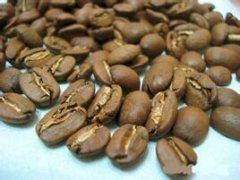
Central American specialty boutique El Salvador coffee beans
El Salvador Coffee El Salvador is one of the small countries in Central America, where coffee is light, aromatic, pure, slightly acidic, and the flavor characteristics are excellent. It has sour, bitter and sweet taste characteristics, and the best baking degree is moderate and deep. Coffee Origin In the early 1990s, guerrilla warfare greatly destroyed the country's national economy, making coffee

Introduction of Guatemalan coffee beans located in the Central American Isthmus
It is located in the Central American Isthmus, bordering Mexico in the north and Honduras in the south. Due to the high mountains and volcanoes in the country, coupled with the careful care of Guatemalan farmers, the quality of Guanguo coffee appears to be quite excellent. The country's earliest record of growing coffee dates back to 1750, about 250 years ago, but at that time the coffee tree was only an ornamental flower in the garden; until 1800, it was contaminated by European chemistry.

Central American coffee brand Costa Rica Tarazu flavor rich chocolate nut pleasant aroma
Professional coffee knowledge exchange more coffee bean information please follow the coffee workshop (Wechat official account cafe_style) front street-Costa Rica Tarazu introduction is located in the Central American isthmus, latitude 10 north, longitude 84 west. It faces the Caribbean Sea to the east and the North Pacific Ocean to the west. Costa Rica is located in the volcanic belt of the low latitudes of Central America, with the central plateau and mountains about 800 to 2000 meters above sea level.

Coffee leaf rust has caused serious losses in Central American coffee producing countries.
Coffee leaf rust, which begins to spread among coffee trees as small yellow spots, will soon turn coffee leaves into a pile of dead leaves. In five years, the plague among coffee trees reduced coffee production in Central America to an all-time low, affecting not only the price of coffee, but also the labor balance in the region, forcing many local citizens to emigrate illegally to the United States. Since 2
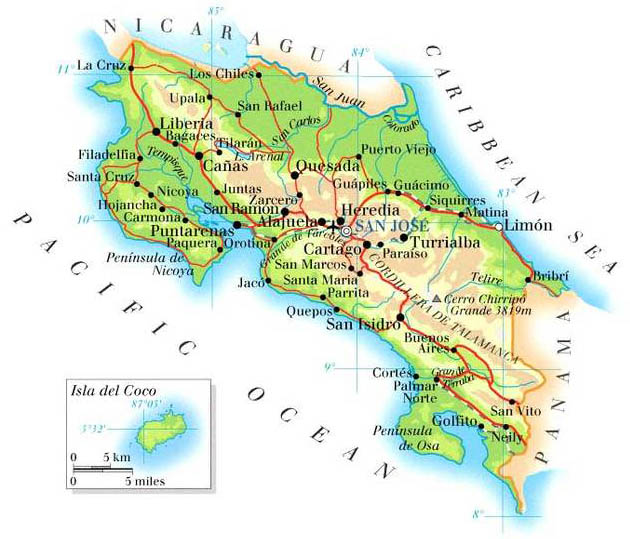
A big country of fine coffee in the south of Central America-- an introduction to the origin of Central American coffee in Costa Rica.
Guide to Caxiang: I haven't told you about the country where coffee is produced for a long time. Let's take a look at the coffee cultivation in Costa Rica today. The editor has something to say: Costa Rica first entered the editor's eyes when he did not know which year's World Cup, Costa Rica played against China, and then. China lost. Costa Rican coffee cultivation was introduced from Cuba in 1779 and only in 1820.
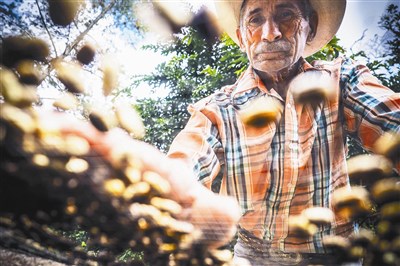
Comment on Nicaraguan Coffee Flavor Central American Coffee beans from Central America
Nicaraguan coffee Nicaragua coffee flavor characteristics: moderate acidity, fragrant and delicious. Nicaraguan coffee of high quality is in the forefront of coffee beans in the world and enjoys a good reputation. Its particles are moderate in size, mild in taste and very aromatic and mellow. Nicaragua is located in central Central America, bordered by the Pacific Ocean to the west and the Caribbean Sea to the east. The highlands in the north and the coastal plains in the east

Nicaraguan Lemon Tree Coffee Manor introduces Central American Coffee producing countries
Lemon Tree Manor also processes coffee in a honey-treated way. After the coffee fruit is actually picked, the coffee with its exocarp removed is put on the African shed to dry. Compared with the traditional way of placing coffee directly on the ground to dry coffee, using African shed to dry coffee can reduce more pollution in the drying process, avoid producing more miscellaneous smell, and finally improve the quality of coffee.

What are the characteristics of Central American coffee beans_Changes and competition for the most intense coffee production continent
Professional coffee knowledge exchange More coffee bean information Please pay attention to coffee workshop (Weixin Official Accounts cafe_style) Early, Costa Rica and Guatemala, is the representative of Central American coffee beans, that sweet, lubricating acid, straight through taste buds, gentle, lingering flavor, aroma, unforgettable! With the Geisha of Emerald Manor in Panama, the Salvadoran hybrid succeeded

Flavor description of El Salvador Pacamara Coffee beans; introduction to the regional treatment of manor production
El Salvador Pacamara coffee bean flavor description taste manor regional treatment method El Salvador attaches importance to the development of relations with neighboring countries and other Latin American countries, and actively promotes the process of Central American integration with the northern triangular countries as the core. In February 2000, sa representatives attended the EU Central American meeting in San Jose, and in April, President Flores met with the President of Brazil in Nicaragua.

Coffee producing area-Central America. Introduction of coffee producing areas in Central American countries.
For more information on coffee beans, please follow the Coffee Workshop (official Wechat account cafe_style) the land bridge between Central and South America. There are seven countries, namely, Belize, Costa Rica, El Salvador, Guatemala, Honduras, Nicaragua and Panama. Coffee is produced in seven Central American countries, including Guatemala, Costa Rica and Hongdu.

Coffee leaf rust strikes-Central American coffee producers suffer heavy losses
Coffee leaf rust, which begins to spread among coffee trees as small yellow spots, will soon turn coffee leaves into a pile of dead leaves.